CourseK–G1 Write Lab
- What you'll find
- Your child listens to English stories, talks about their own experiences, and writes short English sentences.

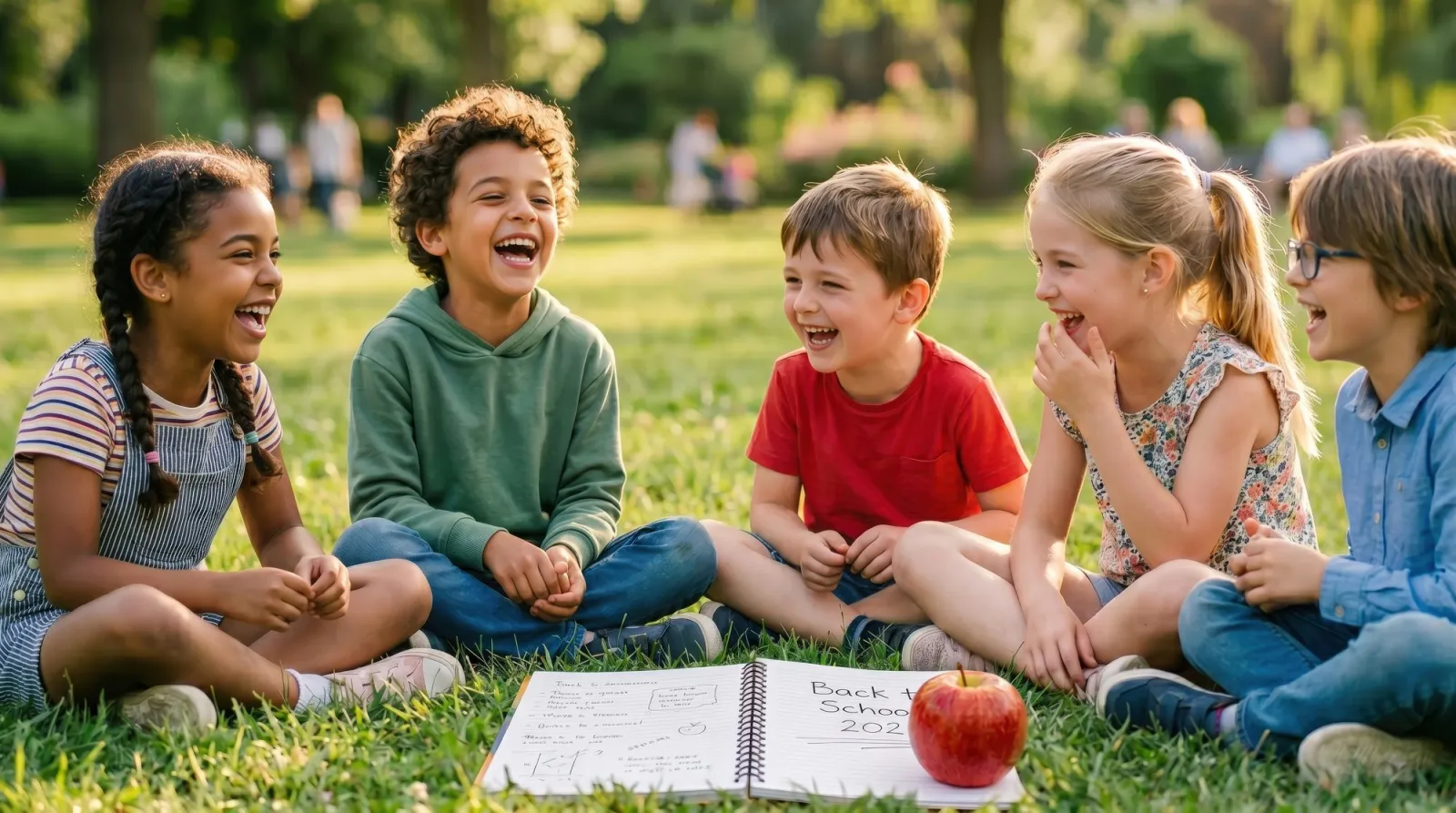
Your child turns things they've done and imagined into English stories with a beginning, middle, and end.
To find writing ideas, your child reads social studies and science texts on topics like habitats, life cycles, and maps. They also practice vocabulary, story structure, and grammar separately.
We look at your child's English writing and the English books they read now to see whether they include specific details and whether their sentences flow.
If your child is just starting to write English sentences, K–G1 may fit better. If they already write stories well, G4–5 may be the right level.
Your child's writing now
Writing in G2–3
Your child reads English texts on social studies and science topics they can compare with their own experiences.
Subject · Topics in G2–3
Your child explains characters, events, and facts in their own words and picks out what matters. Then they write about a similar experience or idea in English sentences and link them into a paragraph.
When your child gets stuck writing a story, they practice that part separately. Model writing is only a starting point: your child reworks it into their own story.
Your child works out how words relate and completes sentences with the word that fits the context.
Your child studies the order and phrasing in model writing and tries them in their own story.
Your child rereads their sentences and paragraphs and fixes grammar and wording mistakes.
At this step, your child: Decides who to tell and which experience to share, then collects ideas in a mind map.
At this step, your child: Decides which events and thoughts go at the beginning, middle, and end.
At this step, your child: Links sentences in the planned order to draft an English story.
At this step, your child: Adds missing content and fixes incorrect sentences based on the instructor's corrections, then rewrites.
Area · What the instructor checks
Rewritten stories and assessment results go into your child's portfolio, and we send you the instructor's comments too. See how parents get progress updates
How it's chosen
*Hover over or tap a card to see the details and its link.
Tell us about something your child wrote in English recently or the English books they're reading now. We'll talk it over with you and decide together whether G2–3 is where they should start.