SubjectEnglish
- What your child learns
- Your child learns to write answers for school subjects in Academic English, works on English writing for their grade in Write Lab, and practices reading and speaking.

Children at international schools, or getting ready to enter or transfer to one, take LAB.CO classes in English, math, science, and social studies that follow their school's curriculum.
Compare the five curricula and find the classes that fit your child's school.
The curriculum your child's school follows shapes what they study as they move up through the grades and how they're graded.
The PYP is for ages 3–12, the MYP for ages 11–16, and the DP for ages 16–19.
Students earn a separate qualification in each subject. IGCSE covers ages 14–16 (usually two years), and A Level follows at ages 16–19.
It runs K–12, from kindergarten through Grade 12. States, school districts, and schools decide which subjects to teach and in what order.
These are college-level courses students choose in high school. Each course has its own exam, the AP Exam, held every year.
What to check at your child's school: The programs the school runs (PYP, MYP, DP), its assessment criteria, and the timelines for the MYP Personal Project and the DP's TOK, CAS, and EE.
What to check at your child's school: The course sequence for each grade, the transcript, and credits. Also plan ahead for the courses your child will choose next semester.
What to check at your child's school: The AP courses the school offers and the courses your child has to take first. Also check whether the colleges your child will apply to give credit for AP scores.
What to check at your child's school: The exam board, the syllabus code, and which assessments the subject includes: written exams, coursework, practicals.
What to check at your child's school: Whether your child's subject combination fits their intended major, and whether the school uses staged assessment, with exams taken in parts.
Schools and exam boards decide admission and transfers, grade and course placement, and exam eligibility. Each college your child applies to sets its own admission and credit policies.
During the consultation and diagnostic assessment, we also go over your child's school materials and decide what they'll study.
What happens: We confirm your child's school, grade, curriculum, and the courses they actually take.
What happens: We look at where the school class is and at recent assignments and assessments, then separate units already covered from the ones coming next.
What happens: We find out why your child keeps getting answers wrong: the concept, the English wording, or how they read command words.
What happens: Before the next assessment date, we decide what to review, which concepts to shore up, and which units to preview.
What happens: Based on learning records and instructor feedback, we decide when your child should start Honors or AP courses or begin research or competition prep.
PYP, MYP, and IB students can also take LABCO IB Support, a one-on-one online class that works from their school materials. See one-on-one classes that use IB school materials
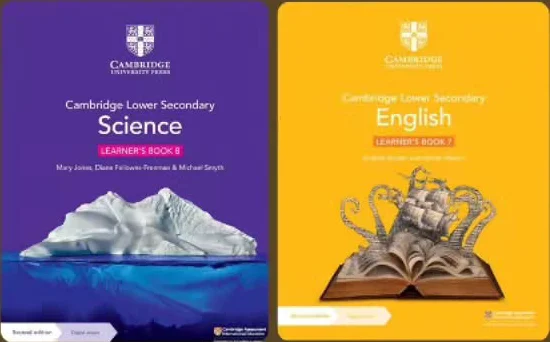
PYP and MYP Teacher Guides, IB Rubrics, and Oxford and Cambridge textbooks serve as reference materials.